Advanced semiconductor fabs depend upon extremely managed chemical shipment procedures to preserve wafer high quality, process uniformity, and manufacturing uptime. As semiconductor geometries lessen and manufacturing processes more requiring, chemical delivery cabinets have to supply precise control while decreasing contamination, leakage, direct exposure, and procedure disruptions. A properly designed cabinet incorporates high-purity materials, automated controls, safety systems, keeping track of modern technologies, and scalable style into a solitary trustworthy system.
Purity and Contamination Control
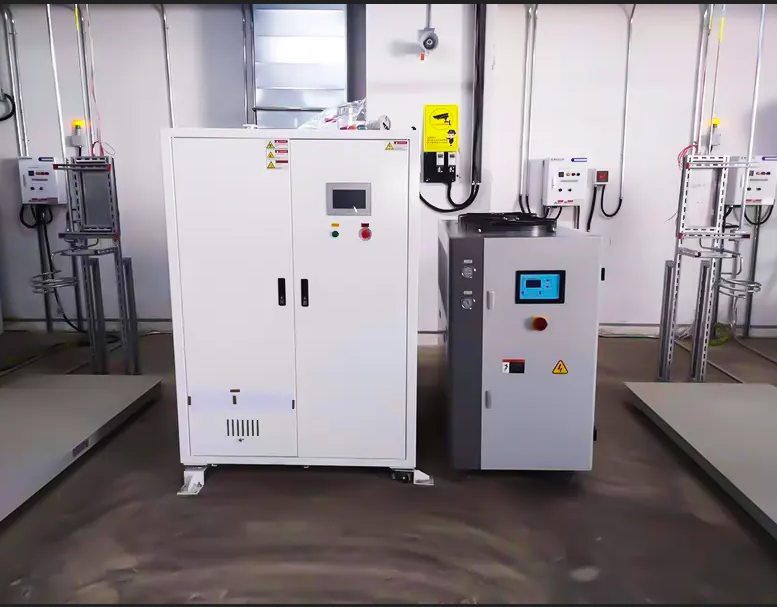
Purity is one of the most crucial considerations when making a chemical delivery cabinet for semiconductor manufacturing. Also trace contamination can influence delicate fabrication procedures, making material selection, element style, and fluid-path arrangement vital. Moistened components need to be selected for chemical compatibility and reduced particle generation, while the general system ought to be made to minimize dead legs, stationary locations, and potential contamination factors.
High-purity piping and fittings, including electropolished 316L stainless steel where appropriate, can help preserve requiring sanitation demands. Appropriate sealing, filtration, flushing, and controlled chemical transfer procedures further sustain constant chemical quality from the supply resource to the factor of use.
Materials and Part Choice
Closet products need to hold up against the chemicals being handled while maintaining long-term mechanical and tidiness performance. Designers must examine chemical compatibility, rust resistance, surface area coating, stress scores, temperature problems, and upkeep needs when choosing piping, valves, regulators, sensors, and fittings.
The choice of parts must additionally think about the whole fluid course as opposed to specific components. Shutoffs and fittings with ideal inner geometry can minimize bit generation and boost circulation control. Standardized high-purity elements can additionally streamline maintenance and spare-parts monitoring across numerous cupboards.
Automation and Refine Control
Automation plays a central role in contemporary chemical delivery closets. Programmable logic controllers (PLCs) can collaborate shutoffs, pumps, sensors, alarm systems, and interlocks while preserving specified running series. Automated control can decrease dependence on hands-on intervention and give repeatable chemical delivery conditions.
For sophisticated facilities, automation can likewise support recipe-based operation, devices status surveillance, alarm system administration, and communication with higher-level center or manufacturing systems. This develops a more regular operating setting and helps designers identify procedure problems prior to they become larger production troubles.
Safety and Leak Avoidance

Chemical shipment cabinets have to incorporate multiple layers of defense since semiconductor chemicals may be harsh, poisonous, responsive, or otherwise hazardous. Cupboard style must consequently address control, air flow, leakage discovery, emergency isolation, accessibility control, and ideal interlocking.
Automated leakage discovery can provide fast notice when unforeseen chemical visibility is found. Automatic seclusion features can aid restrict the afflicted area of the system, while additional containment and appropriate exhaust plans provide added security. Security features need to be engineered according to the chemicals, operating problems, suitable codes, and facility needs.
Monitoring and Diagnostics
Continual monitoring enhances both safety and operational dependability. Relying on the application, closets may check parameters such as stress, circulation, temperature, fluid level, valve condition, and leak conditions. Non-contact level dimension can be specifically beneficial where decreasing direct call with the chemical is desirable.
Central tracking also provides operators higher presence into closet conditions. Historical data and alarm systems can aid maintenance teams determine uncommon trends, check out reoccuring issues, and timetable maintenance prior to failures create considerable downtime.
Scalability and System Development
Advanced UHP Chemical Dedelivery Cabinet fabs commonly need chemical infrastructure that can advance as production capability changes. Modular cabinet design can make it much easier to add chemical resources, broaden circulation capability, or accommodate extra process devices without completely upgrading the shipment facilities.
Scalability ought to be considered from the start, consisting of closet impact, energy connections, control style, piping capability, redundancy, and upkeep gain access to. A modular approach can aid producers equilibrium current manufacturing demands with future development plans.
Integration with UHP Chemical Shipment Equipments
Chemical distribution closets need to run as component of a broader high-purity chemical infrastructure as opposed to as isolated tools. Bulk chemical distribution systems can move chemicals from storage space areas towards production centers, while chemical distribution components can supply regulated blending, dilution, or point-of-use prep work when needed.
An integrated architecture can incorporate bulk distribution via high-purity piping with local computerized delivery and process control. This technique aids develop a regulated path from chemical storage to the semiconductor manufacturing device while keeping ideal pureness, tracking, and precaution throughout the system. To recognize even more at https://www.chengweisemi.com/product/.
Verdict

Designing chemical shipment cupboards for advanced semiconductor fabs calls for a balance of purity, product compatibility, automation, security, monitoring, scalability, and system combination. High-purity fluid paths help secure chemical high quality, while automated controls and keeping track of boost repeatability and functional presence. Safety and security systems give split protection against leaks and unusual conditions, and modular style sustains future growth.
By dealing with the cabinet as an incorporated component of the fab's overall chemical delivery infrastructure, suppliers can construct systems better suited to the requiring demands of advanced semiconductor production, where contamination control, dependability, and specific chemical monitoring are important to sustained manufacturing efficiency.