International labour migration is expected to play an increasingly crucial duty in the global economic situation towards 2030. Transforming population structures, aging labor forces, work scarcities and financial advancement are reshaping the movement of workers across worldwide boundaries. Nations with decreasing working-age populaces are becoming much more based on global recruitment, while establishing economic situations remain to provide workers for building and construction, production, medical care, transport, agriculture and service markets. These growths are raising the importance of migrant work in preserving economic development and labor force security.

Group Adjustments and Ageing Populaces
One of the biggest elements influencing worldwide labour foreign worker statistics is populace ageing. Numerous established economic situations, consisting of Japan, Germany, Italy and South Korea, are experiencing declining birth rates and enhancing varieties of older people. As seasoned workers retire, companies deal with growing difficulties loading openings in crucial industries. Global migration can aid resolve these shortages by bringing more youthful workers right into ageing labour markets. By 2030, demand for abroad employees is likely to raise in health care, elderly treatment, design, hospitality and other sectors that call for a trustworthy workforce.
Expanding Worldwide Labour Shortages
Work shortages are becoming a significant issue for federal governments and companies worldwide. Construction business require competent specialists and basic labourers, making markets require equipment drivers and production workers, and health care systems need registered nurses, doctors and care aides. Agricultural services likewise rely on seasonal and worldwide workers to preserve food production. These workforce voids are motivating countries to introduce recruitment programmes, employment visas and international work arrangements. Both proficient professionals and workers in lower-wage professions will stay essential to international work systems.
International Employment and Significant Migration Destinations
International recruitment is anticipated to broaden as countries foreign worker statistics compete for workers with different qualifications and experience. The United States, Canada, Australia, Germany, the United Kingdom and various other European economies are essential locations for international specialists and momentary workers. Gulf Cooperation Council nations, consisting of Saudi Arabia, the United Arab Emirates, Qatar, Kuwait, Bahrain and Oman, continue to attract migrant staff members across construction, production, transportation, retail, hospitality and domestic services.
Saudi Arabia is anticipated to stay a crucial international recruitment location as economic diversity and infrastructure development produce employment opportunities. However, national work plans, work-permit demands and localisation programmes will certainly influence the number and types of foreign workers hired.
Need for Experienced and Unskilled Workers
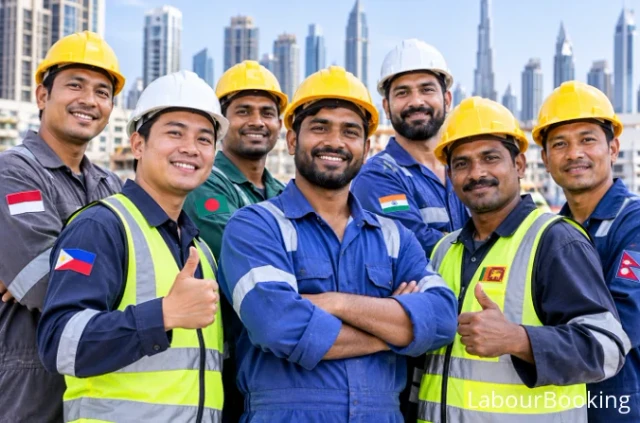
The future global work market will call for both extremely skilled experts and workers in necessary occupations. Technology, renewable resource, artificial intelligence, engineering, healthcare and digital services are enhancing need for specialised credentials. At the very same time, building and construction, farming, logistics, cleansing, hospitality and domestic services continue to depend on workers executing functional and labour-intensive activities.
This mix demonstrates that international movement is not limited to highly educated specialists. Workers with occupation training, technological experience and sensible skills will certainly also continue to be important to economic development. Companies are progressively most likely to prioritise internationally recognised credentials, occupational experience and language effectiveness.
Work Policies and the Future of Movement
Towards 2030, governments will certainly encounter the difficulty of balancing financial employment needs with fair employment problems. Clear recruitment procedures, reasonable employment fees, wage defense, office safety and security and accessibility to lawful help will certainly become progressively important. Countries will certainly additionally need to enhance the acknowledgment of foreign qualifications and establish policies that sustain moral employment.
Digital job allows, electronic employment contracts and improved labour-market details systems may make global recruitment extra efficient. More powerful worldwide collaboration can additionally assist shield migrant workers and improve the monitoring of cross-border work.

Conclusion
The future of global labour migrant worker statistics towards 2030 will be shaped by market ageing, declining birth rates, labour shortages and changing financial demands. Both created economic climates and arising markets will remain to depend upon global workers to support essential markets and maintain performance. Knowledgeable professionals, technological staff members and workers in labour-intensive professions will certainly all add to the global labor force. Efficient migration policies, moral employment and boosted worker defense will be vital to making certain that worldwide labour migration benefits workers, companies and destination economic climates.